Unveiling The Secrets Of Exoplanetary Atmospheres: An Interdisciplinary Quest
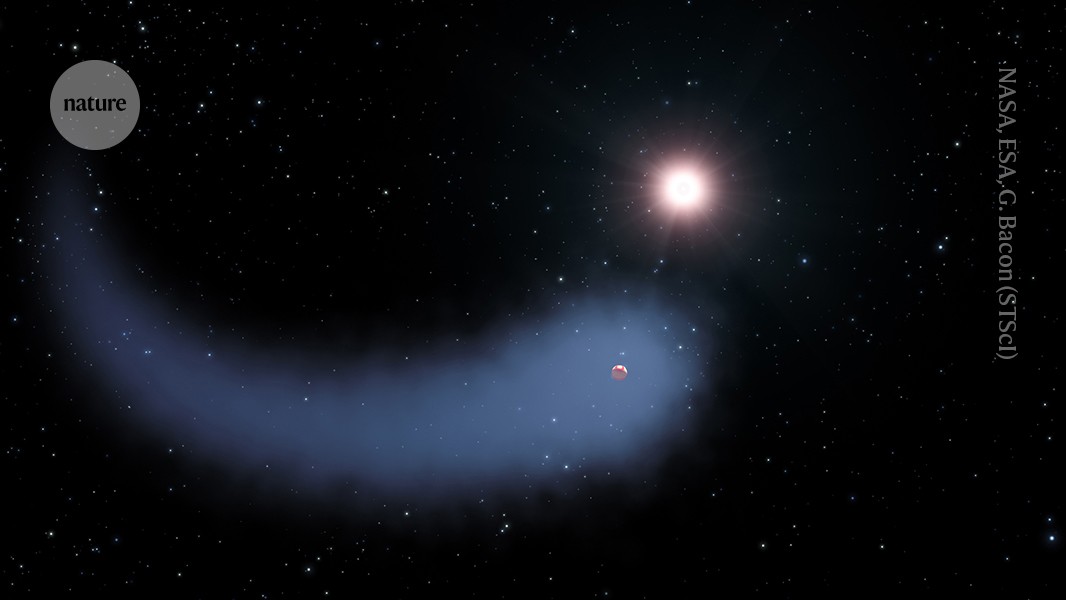
The field of exoplanetary science has undergone significant transformations since the discovery of the first exoplanet 30 years ago. Thousands of these celestial bodies, orbiting stars beyond the Sun, have been unveiled, showcasing an astonishing diversity. They range from extreme lava planets with vaporized rock atmospheres to ocean worlds, with some potentially resembling Earth. The James Webb Space Telescope (JWST), launched in 2021, has been instrumental in revolutionizing the understanding of exoplanetary atmospheres.
By capturing unprecedented details of clouds and haze, scientists have gained new insights into the complex processes governing these distant worlds. Researchers are now studying the dynamics of winds and turbulence, which transport compounds on exoplanets, and observing chemical reactions that defy Earthly comparisons.
As scientists continue to probe the atmospheres of these alien worlds, they are faced with a daunting challenge: interpreting the complex data generated by the JWST. This is where lab-based chemists come into play. By collaborating with space scientists, they can help decipher the chemical signatures detected in exoplanetary atmospheres.
The intricate dance of atmospheric compounds on exoplanets is a puzzle that requires an interdisciplinary approach. Chemists, armed with their expertise in laboratory experiments and theoretical modeling, can provide crucial insights into the chemical processes at play.
In the 30 years since exoplanets were first reported 1 , telescopes have revealed thousands of them .Related materials: Check here


Comments
Post a Comment