S Curiosity Mars Rover Just Learned How To Multitask
 Reference: Found here
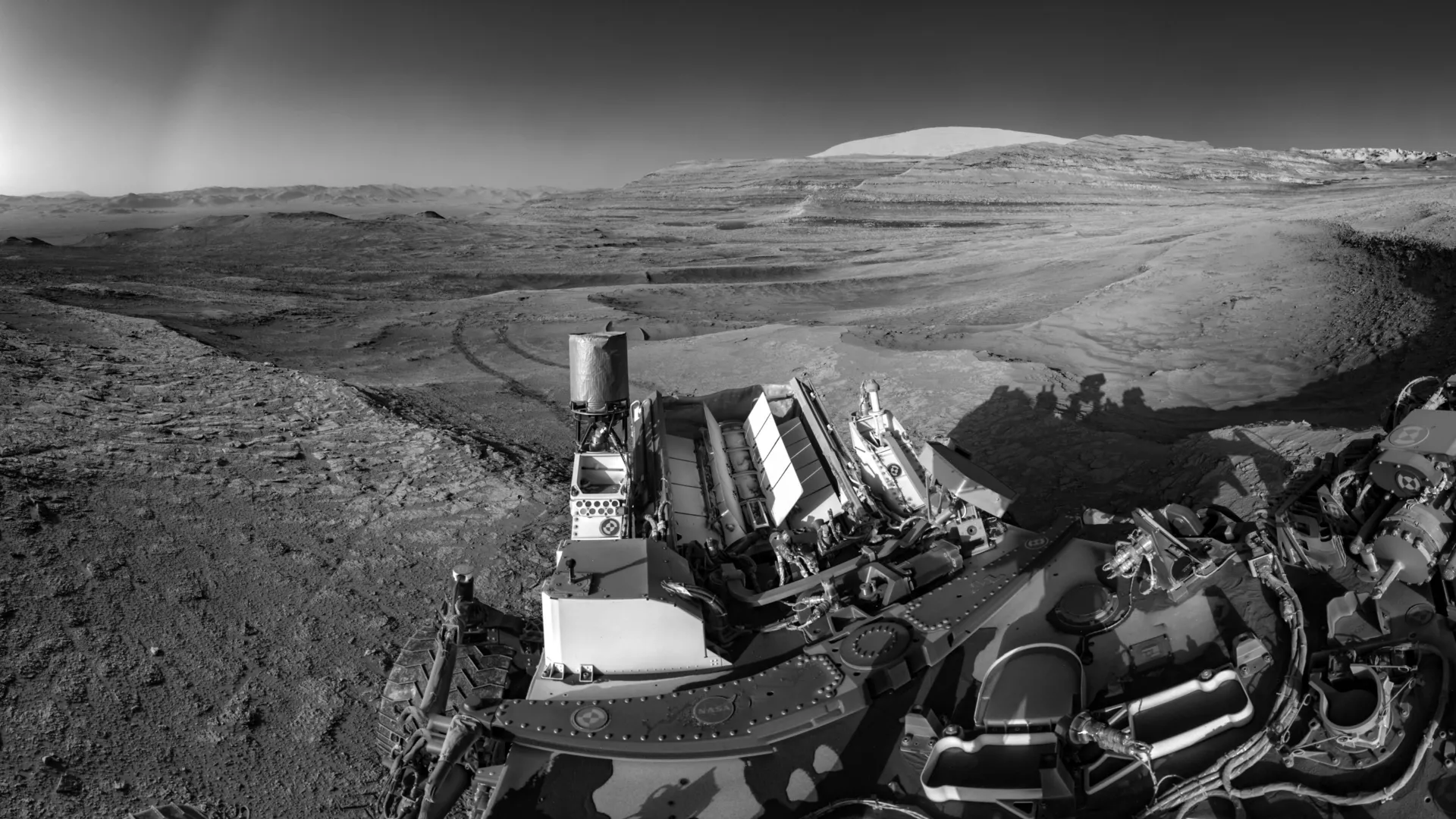
 Thirteen years since Curiosity landed on Mars, engineers are finding ways to make the NASA rover even more productive. The six-wheeled robot has been given more autonomy and the ability to multitask -- improvements designed to make the most of Curiosity's energy source, a multi-mission radioisotope thermoelectric generator (MMRTG). Increased efficiency means the rover has ample power as it continues to decipher how the ancient Martian climate changed, transforming a world of lakes and rivers into the chilly desert it is today.
Carrying out this detective work involves a lot of energy. Besides driving and extending a robotic arm to study rocks and cliffsides, Curiosity has a radio, cameras, and 10 science instruments that all need power. So do the multiple heaters that keep electronics, mechanical parts, and instruments operating at their best.
Past missions like the Spirit and Opportunity rovers and the InSight lander relied on solar panels to recharge their batteries, but that technology always runs the risk of not receiving enough sunlight to provide power.
Instead, Curiosity and its younger sibling Perseverance each use their MMRTG nuclear power source, which relies on decaying plutonium pellets to create energy and recharge the rover's batteries. Providing ample power for the rovers' many science instruments, MMRTGs are known for their longevity (the twin Voyager spacecraft have relied on RTGs since 1977). But as the plutonium decays over time, it takes longer to recharge Curiosity's batteries, leaving less energy for science each day.
The team carefully manages the rover's daily power budget, factoring in every device that draws on the batteries. While these components were all tested extensively before launch, they are part of complex systems that reveal their quirks only after years in the extreme Martian environment. Dust, radiation, and sharp temperature swings bring out edge cases that engineers couldn't have expected.
⁘We were more like cautious parents earlier in the mission,⁘ said Reidar Larsen of NASA's Jet Propulsion Laboratory in Southern California, which built and operates the rover. Larsen led a group of engineers who developed the new capabilities. ⁘It's as if our teenage rover is maturing, and we're trusting it to take on more responsibility.
As a kid, you might do one thing at a time, but as you become an adult, you learn to multitask.⁘


Comments
Post a Comment