Blue Origin's 2nd New Glenn Rocket Launch Will Fly Twin NASA Mars Probes To Space On Sep. 29
 Source: See here
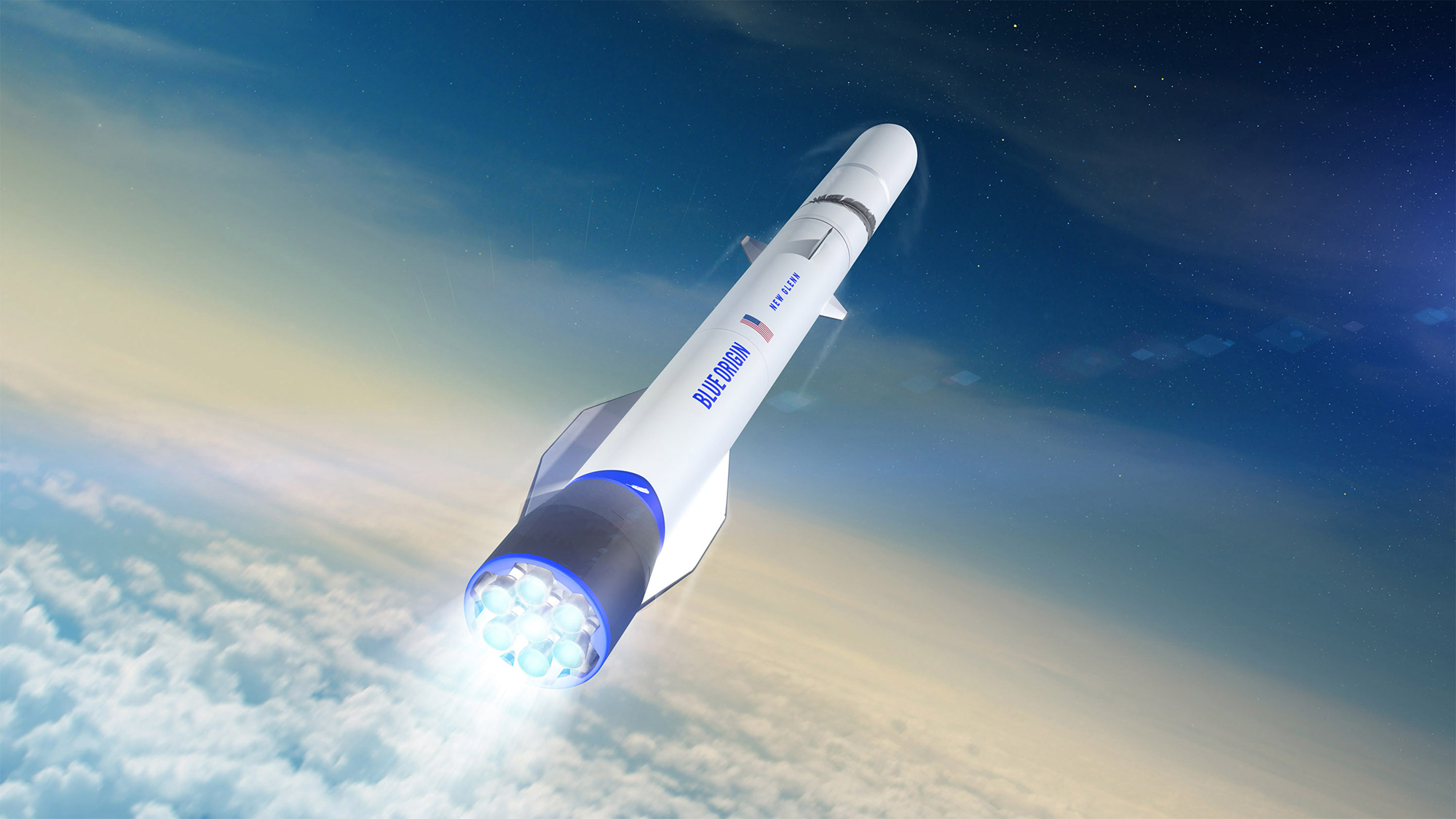
Blue Origin is gearing up for the second-ever launch of its powerful New Glenn rocket, which will loft NASA's ESCAPADE mission to Mars.
The company says it has been working closely with NASA on preparations leading up to New Glenn's next launch, dubbed NG-2, and is targeting no earlier than (NET) Sep. 29. The twin ESCAPADE (Escape and Plasma Acceleration and Dynamics Explorers) probes have been awaiting their turn aboard New Glenn, which was originally slated to carry the satellites on its maiden launch in January . However, NASA opted not to risk a costly mission delay due to the debut liftoff of the new rocket.
Now that the mission has been assigned a NET date, Blue Origin posted on social media to expect "some exciting things" buzzing around New Glenn's pad at Space Launch Complex-36, located at Cape Canaveral Space Force Base in Florida.
New Glenn lifted off for the first time in the beginning of 2025. Blue Origin successfully launched a test version of its Blue Ring satellite bus to Earth orbit, but failed in the attempt to land New Glenn's first stage at sea.
In addition to launching its NASA payload into an interplanetary trajectory, Blue Origin will once again try to land and recover New Glenn's 188.5-foot-tall (57.5-meter-tall) first stage booster on a drone ship in the Atlantic Ocean.
The twin NASA satellites were built by California-based Rocket Lab. Once in space, their operation will be handed over to the University of California's Space Sciences Laboratory, tasked with managing the $80 million mission for the space agency.
Join our Space Forums to keep talking space on the latest missions, night sky and more! And if you have a news tip, correction or comment, let us know at: community@space.com.


Comments
Post a Comment