SpaceX Launches A Pair Of NASA Satellites To Probe The Origins Of Space Weather
 More details: Found here
Two NASA satellites rocketed into orbit from California aboard a SpaceX Falcon 9 rocket Wednesday, commencing a $170 million mission to study a phenomenon of space physics that has eluded researchers since the dawn of the Space Age.
The twin spacecraft are part of the NASA-funded TRACERS mission, which will spend at least a year measuring plasma conditions in narrow regions of Earth's magnetic field known as polar cusps.
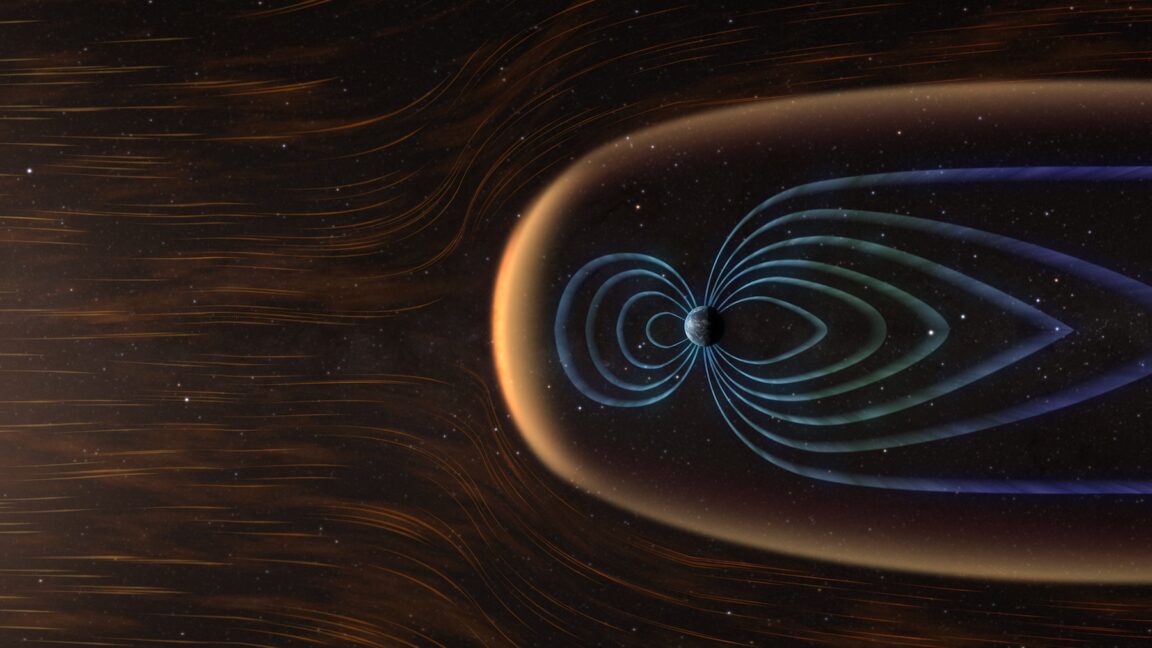
As the name suggests, these regions are located over the poles. They play an important but poorly understood role in creating colorful auroras as plasma streaming out from the Sun interacts with the magnetic field surrounding Earth.
The same process drives geomagnetic storms capable of disrupting GPS navigation, radio communications, electrical grids, and satellite operations.
These outbursts are usually triggered by solar flares or coronal mass ejections that send blobs of plasma out into the Solar System. If one of these flows happens to be aimed at Earth, we are treated with auroras but vulnerable to the storm's harmful effects.
"Understanding our Sun and the space weather it produces is more important to us here on Earth, I think, than most realize," said Joe Westlake, director of NASA's heliophysics division.
The launch of TRACERS was delayed 24 hours after a regional power outage disrupted air traffic control over the Pacific Ocean near the Falcon 9 launch site on California's Central Coast, according to the Federal Aviation Administration. SpaceX called off the countdown Tuesday less than a minute before liftoff, then rescheduled the flight for Wednesday.
TRACERS, short for Tandem Reconnection and Cusp Electrodynamics Reconnaissance Satellites, will study a process known as magnetic reconnection.
As particles in the solar wind head out into the Solar System at up to 1 million mph, they bring along pieces of the Sun's magnetic field. When the solar wind reaches our neighborhood, it begins interacting with Earth's magnetic field.


Comments
Post a Comment