Blue Origin Lines Up NASA's Mars-bound Mission For Next New Glenn Launch
 Source: Visit website
This article has been reviewed according to Science X's editorial process and policies . Editors have highlighted the following attributes while ensuring the content's credibility:
Blue Origin's first launch of its New Glenn rocket was supposed to send up a pair of Mars-bound satellites for NASA, but uncertain readiness plans last year forced NASA to yank back its payload.
Now things are lining up for the mission to finally take flight.
The company announced Thursday the second launch of its heavy-lift rocket would be for the ESCAPE mission, although it did not announce a target launch date.
"This will be an exciting mission for New Glenn and Mars exploration," Blue Origin CEO Dave Limp posted on X. "ESCAPADE is not only New Glenn's first interplanetary mission, it's also the first multi-spacecraft orbital science mission to study the Martian magnetosphere.
And, we hope to land and recover our booster for the first time. Mars, here we come."
Dubbed NG-2, the mission will also fly a technology demonstration for commercial satellite company Viasat in support of NASA Space Operations Mission Directorate's Communications Services Project.
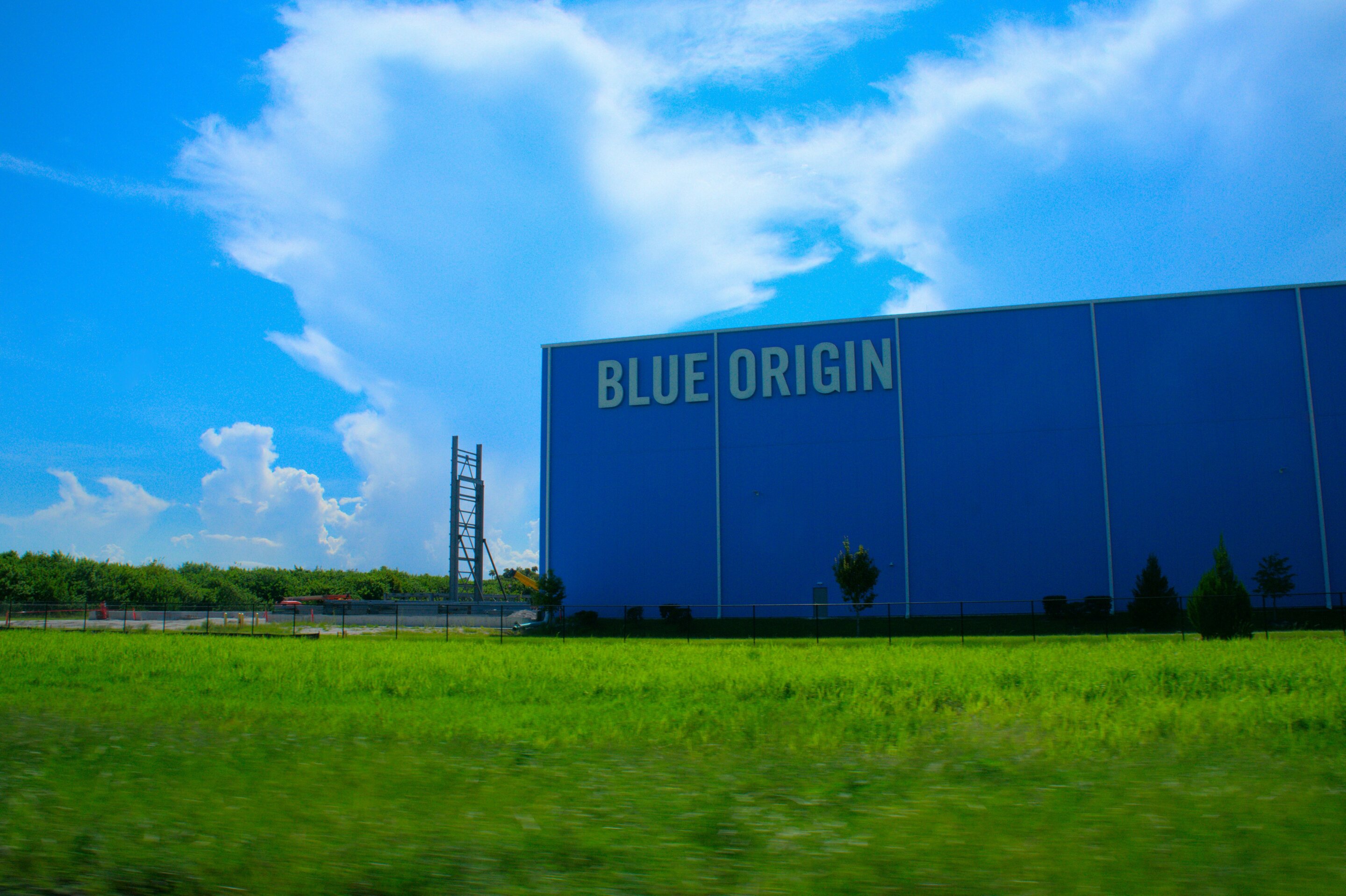
When it does lift off, the mission will fly again from Cape Canaveral Space Force Station's Launch Complex 36. The debut launch came in January, thrilling crowds that were gathered only 5 miles south of the site.
While the launch was an orbital success, Blue Origin was not able to stick the landing of its booster on the vessel "Jaclyn," named after company founder Jeff Bezos' mother. The company's plans seek to reuse New Glenn boosters for up to 25 flights with recovery landings done in the same manner as SpaceX Falcon 9 rockets.
The ESCAPADE mission, which stands for Escape and Plasma Acceleration and Dynamics Explorers, was originally targeting an October 2024 launch that would have put the two satellites on an 11-month flight to the Red Planet. The decision came amid uncertainty around New Glenn's readiness, since fueling the two satellites in itself is a pricey endeavor NASA didn't want to have to do twice.


Comments
Post a Comment