A Look At The First Artificial Solar Eclipses Created By Two European Satellites
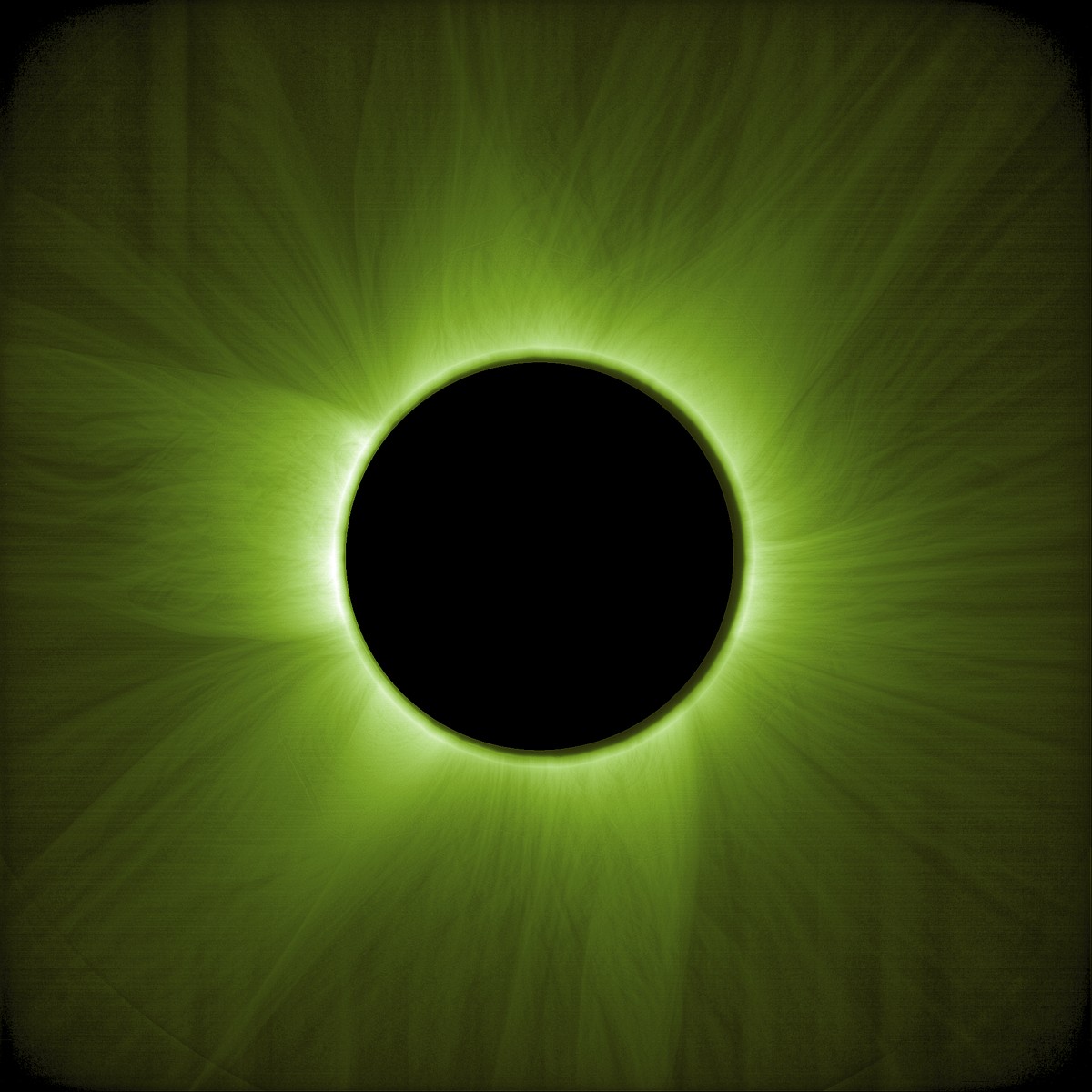 Source: Found here
CAPE CANAVERAL, Fla. -- A pair of European satellites have created the first artificial solar eclipses by flying in precise and fancy formation, providing hours of on-demand totality for scientists.
The European Space Agency released the eclipse pictures at the Paris Air Show on Monday. Launched late last year, the orbiting duo have churned out simulated solar eclipses since March while zooming tens of thousands of miles (kilometers) above Earth.
Flying 492 feet apart, one satellite blocks the sun like the moon does during a natural total solar eclipse as the other aims its telescope at the corona, the sun's outer atmosphere that forms a crown or halo of light.
It's an intricate, prolonged dance requiring extreme precision by the cube-shaped spacecraft, less than 5 feet (1.5 meters) in size. Their flying accuracy needs to be within a mere millimeter, the thickness of a fingernail. This meticulous positioning is achieved autonomously through GPS navigation, star trackers, lasers and radio links.
Scientists already are thrilled by the preliminary results that show the corona without the need for any special image processing, said Zhukov.
"We almost couldn't believe our eyes," Zhukov said in an email. "This was the first try, and it worked. It was so incredible."
Zhukov anticipates an average of two solar eclipses per week being produced for a total of nearly 200 during the two-year mission, yielding more than 1,000 hours of totality.
That will be a scientific bonanza since full solar eclipses produce just a few minutes of totality when the moon lines up perfectly between Earth and the sun -- on average just once every 18 months.
The sun continues to mystify scientists, especially its corona, which is hotter than the solar surface. Coronal mass ejections result in billions of tons of plasma and magnetic fields being hurled out into space.
Geomagnetic storms can result, disrupting power and communication while lighting up the night sky with auroras in unexpected locales.


Comments
Post a Comment